
Last updated September 20, 2026
Full 25-point door and opener safety check with every visit - springs, cables, rollers, tracks, and your LiftMaster or Chamberlain opener included
You get a price before we start. It does not change when the truck arrives.
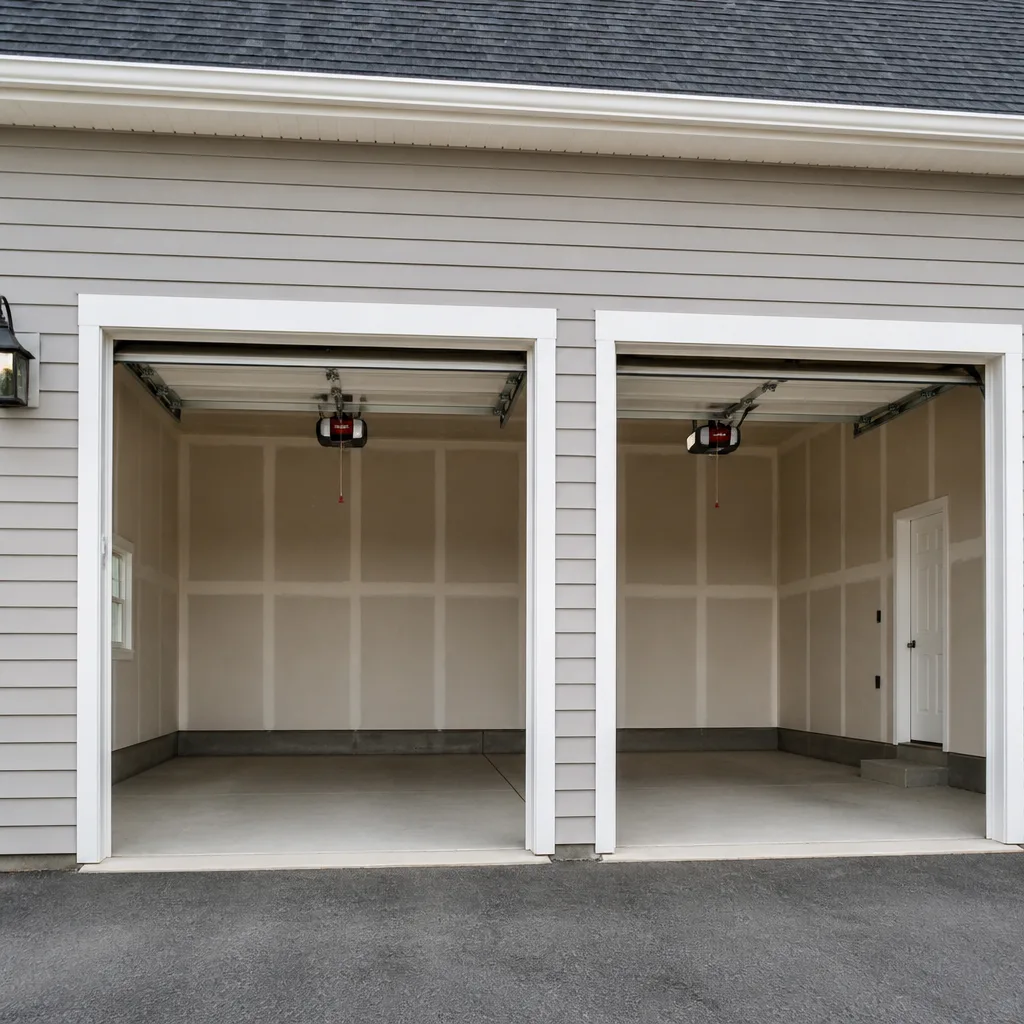
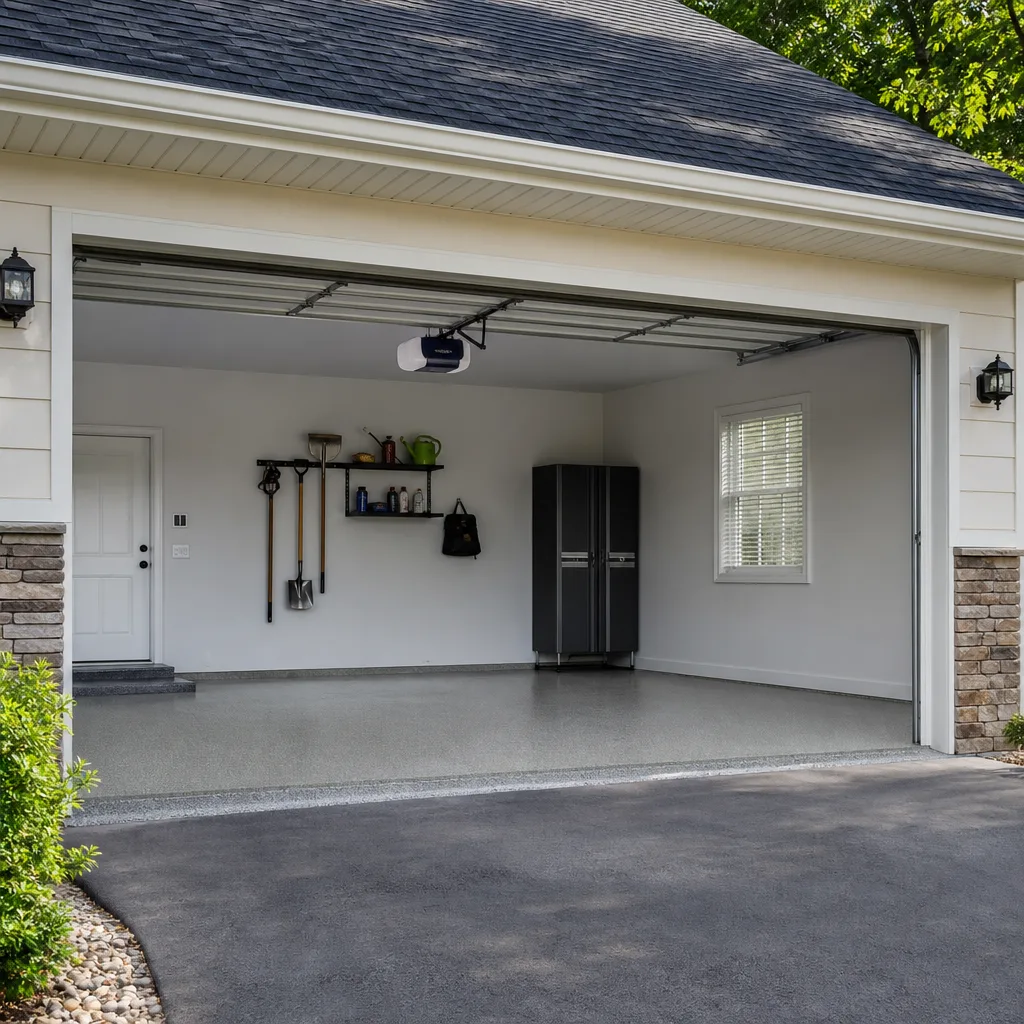
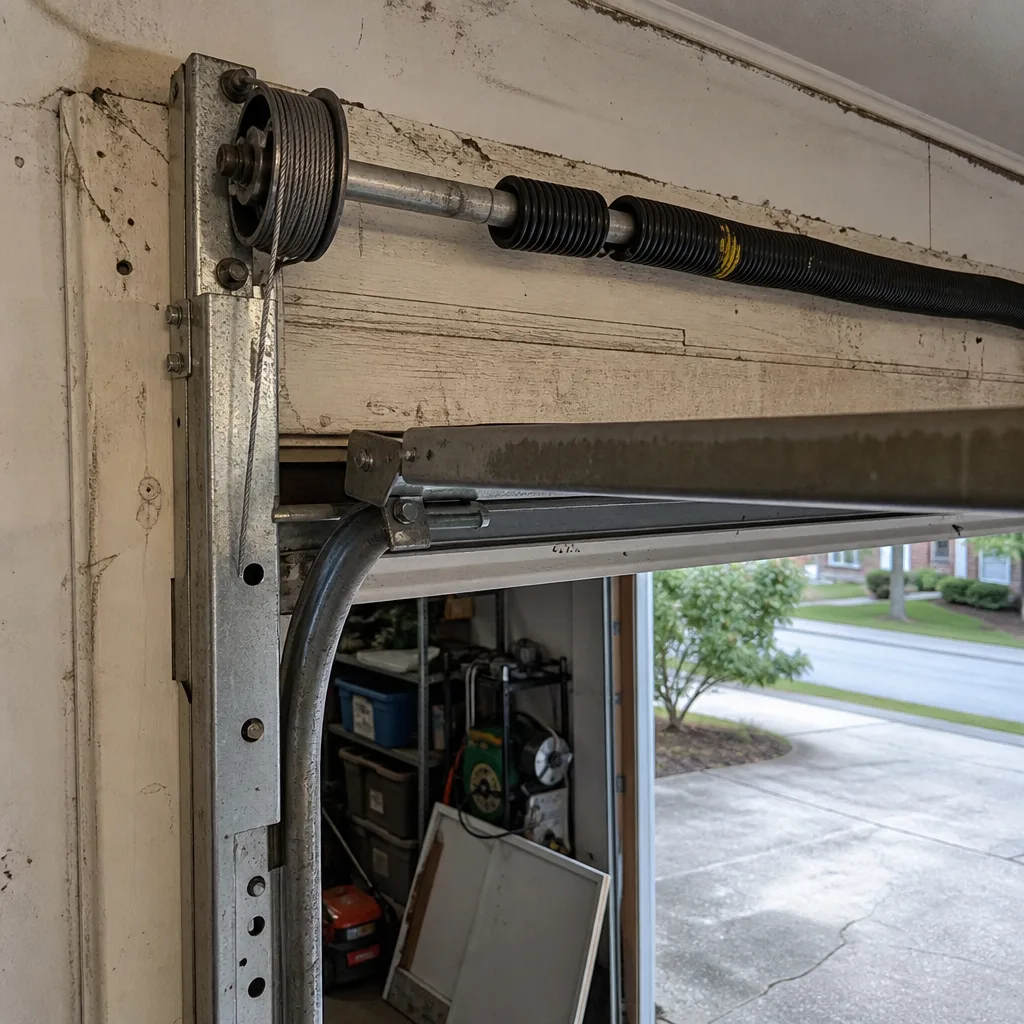 Before
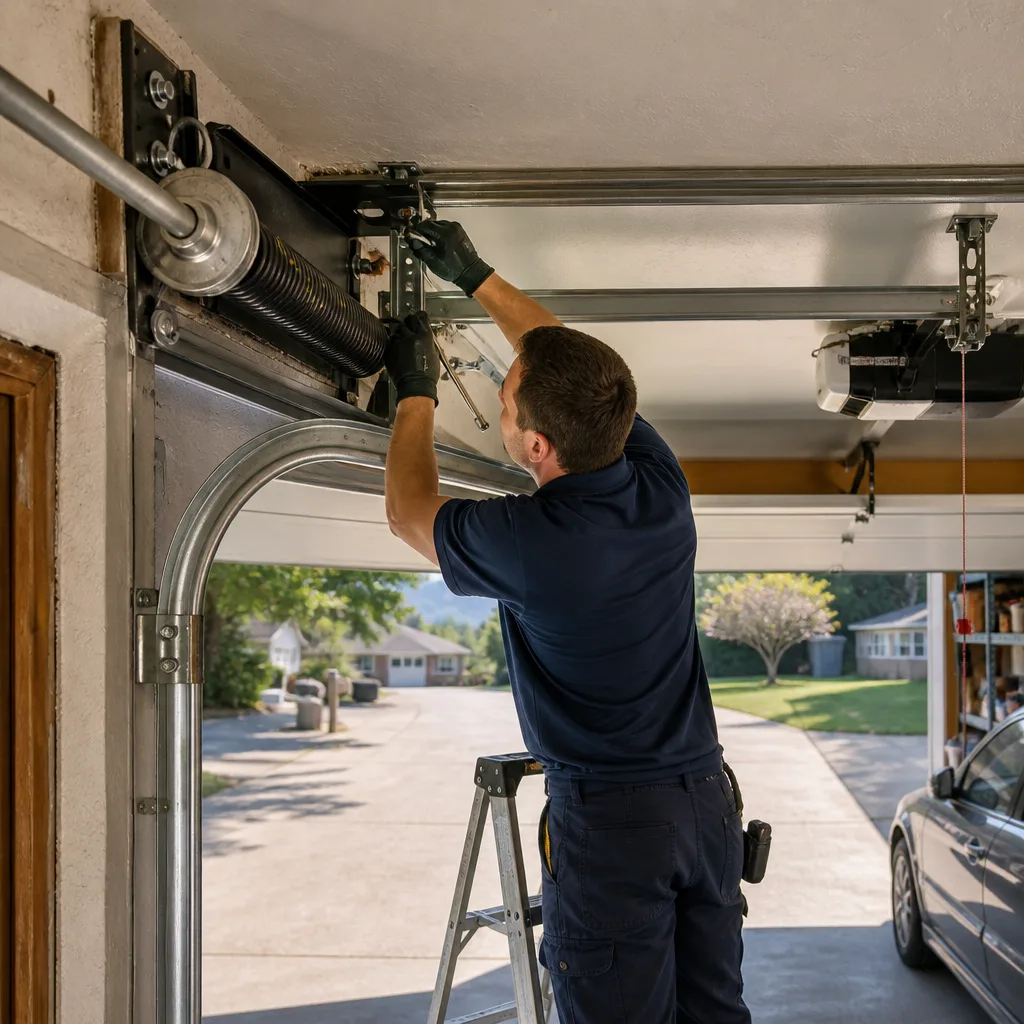 After
After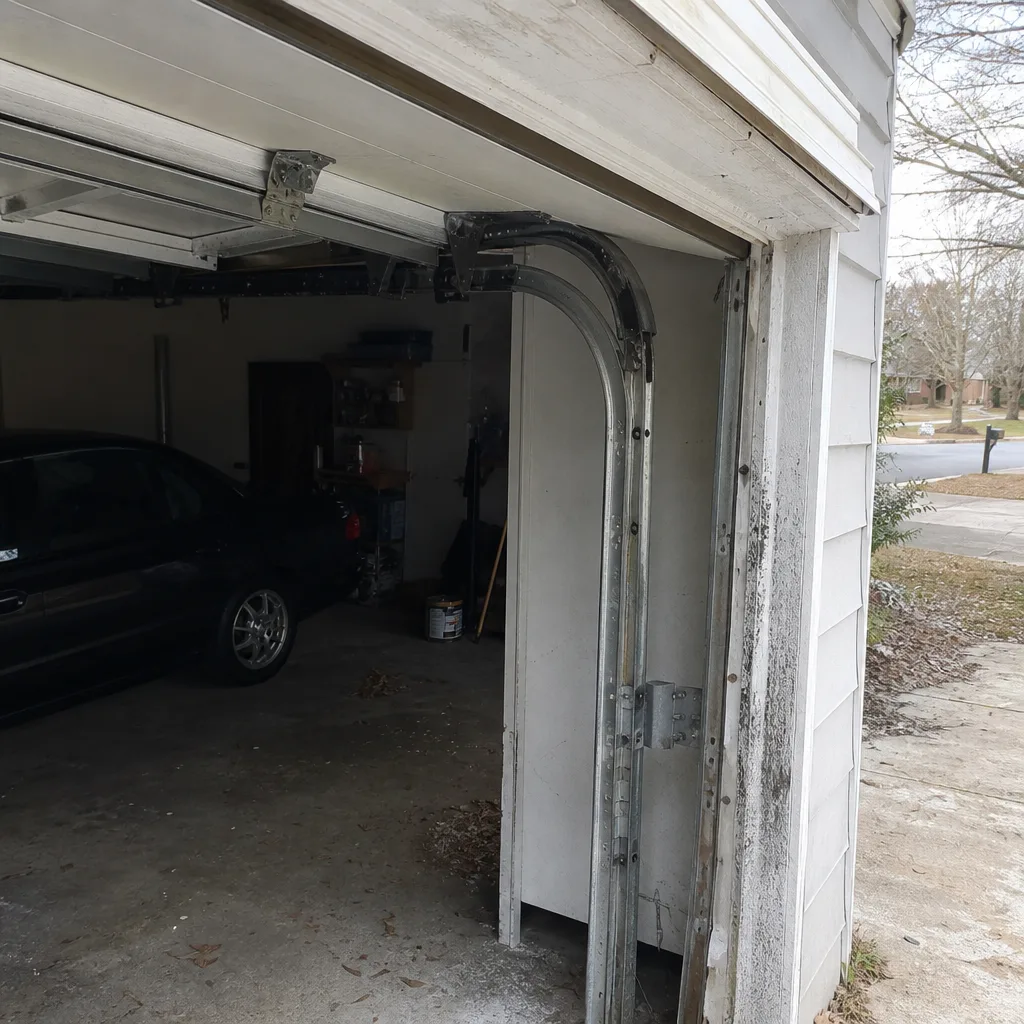 Before
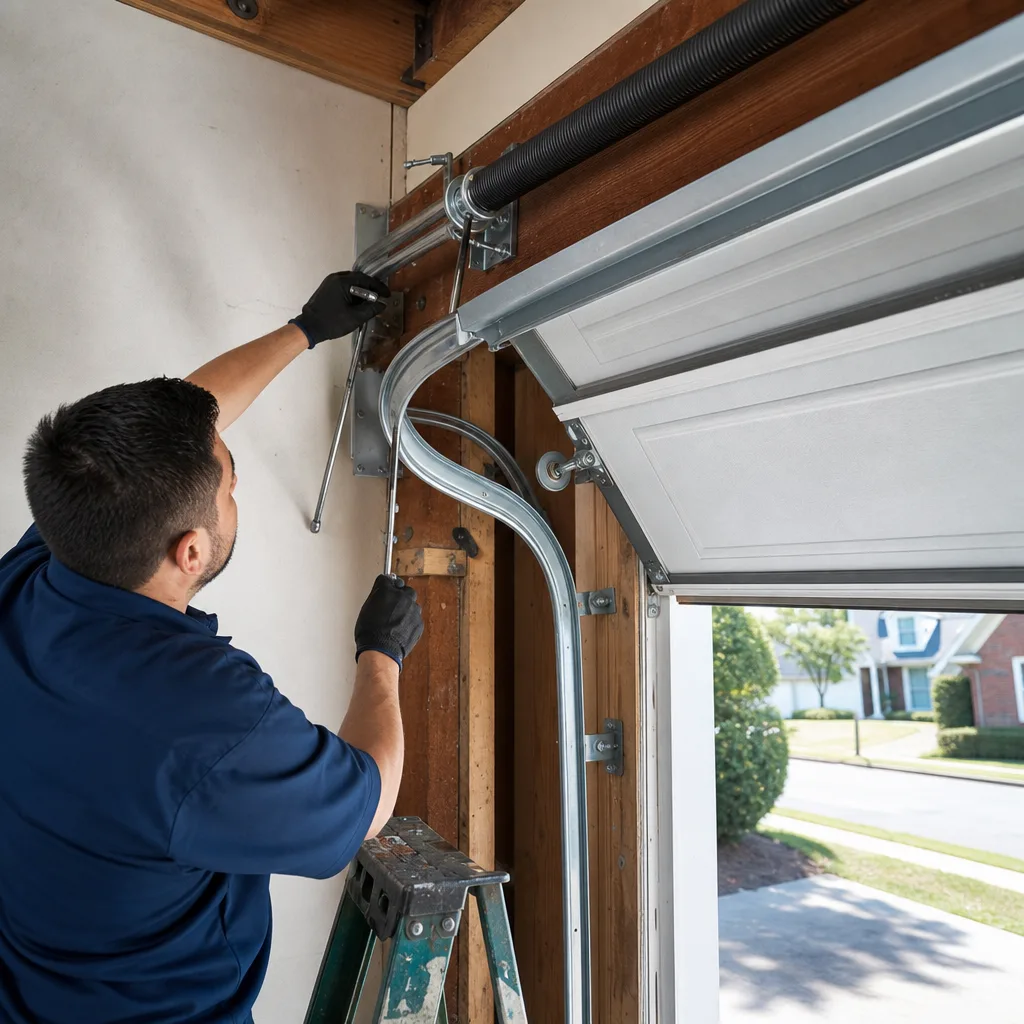 After
After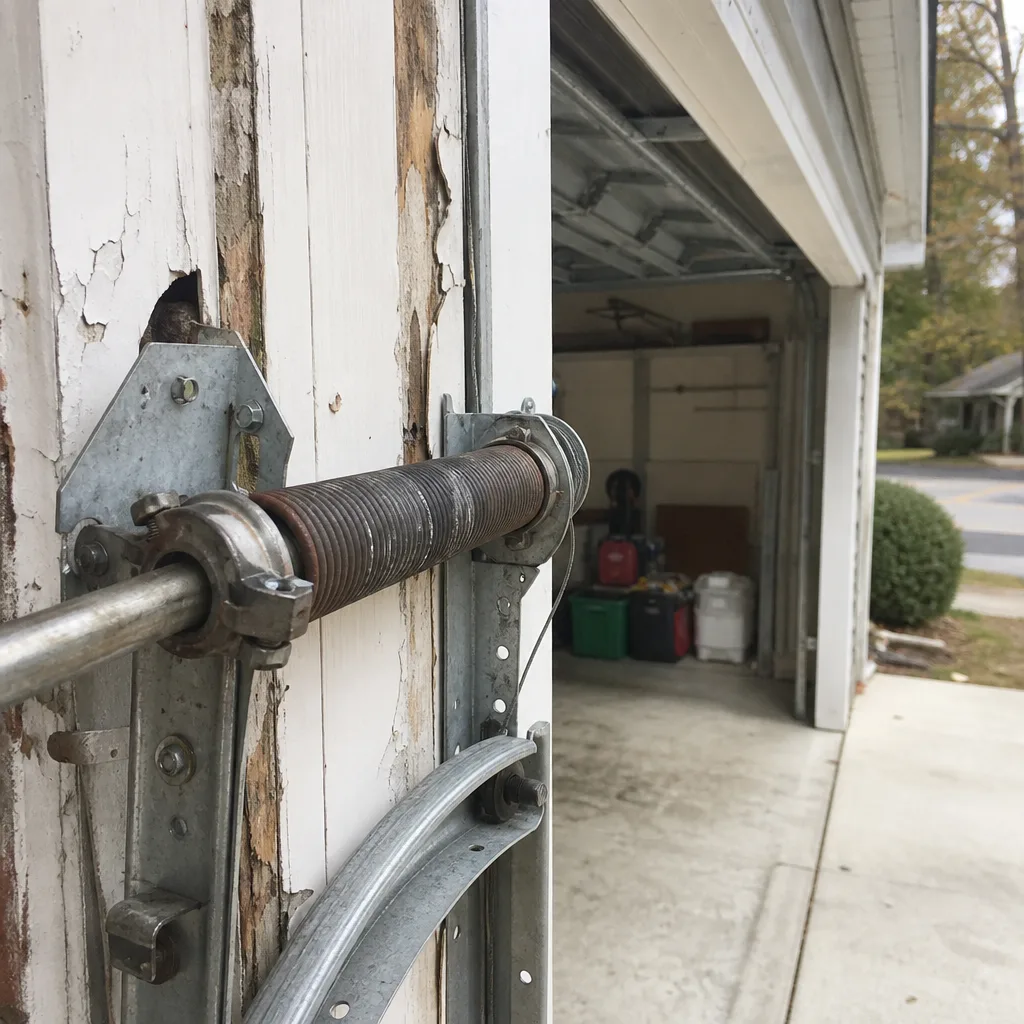 Before
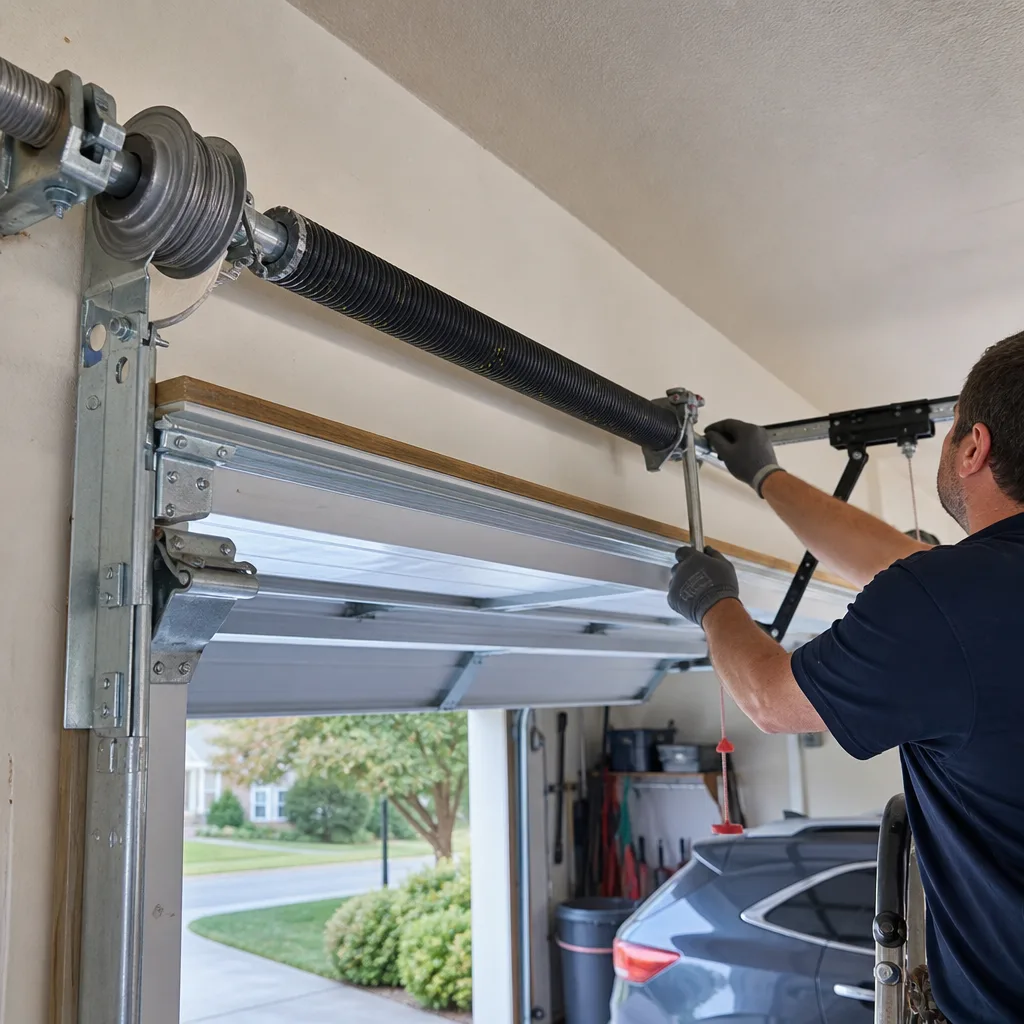 After
AfterGarage Door Permits, Codes & Inspections in GA: What You Need to Know
Most Marietta homeowners don’t learn the hard truth about garage door permits until they’re sitting across from a title company attorney or filing an insurance claim. A garage door is classified as an “opening protective” under the International Residential Code, which means in certain replacement scenarios it falls under the same permit jurisdiction as a structural wall opening, not a simple appliance swap. That single classification changes what you’re legally required to do before the first bolt comes off. This guide walks through Cobb County’s actual permitting triggers, what inspectors look at during a residential garage door inspection, what unpermitted work means at closing, and what each path costs you in dollars and time.
Quick Answer
In Cobb County, Georgia, a garage door replacement generally requires a residential building permit when the opening is being enlarged, the header is modified, or the door’s fire rating changes between an attached garage and living space. A like-for-like swap of a door in an existing opening, with no structural changes and no fire-rating downgrade, typically falls under routine maintenance and does not require a permit. Always verify with Cobb County Development & Inspections before starting, because what your installer calls “standard” may not match what the county calls “compliant.”
Table of Contents
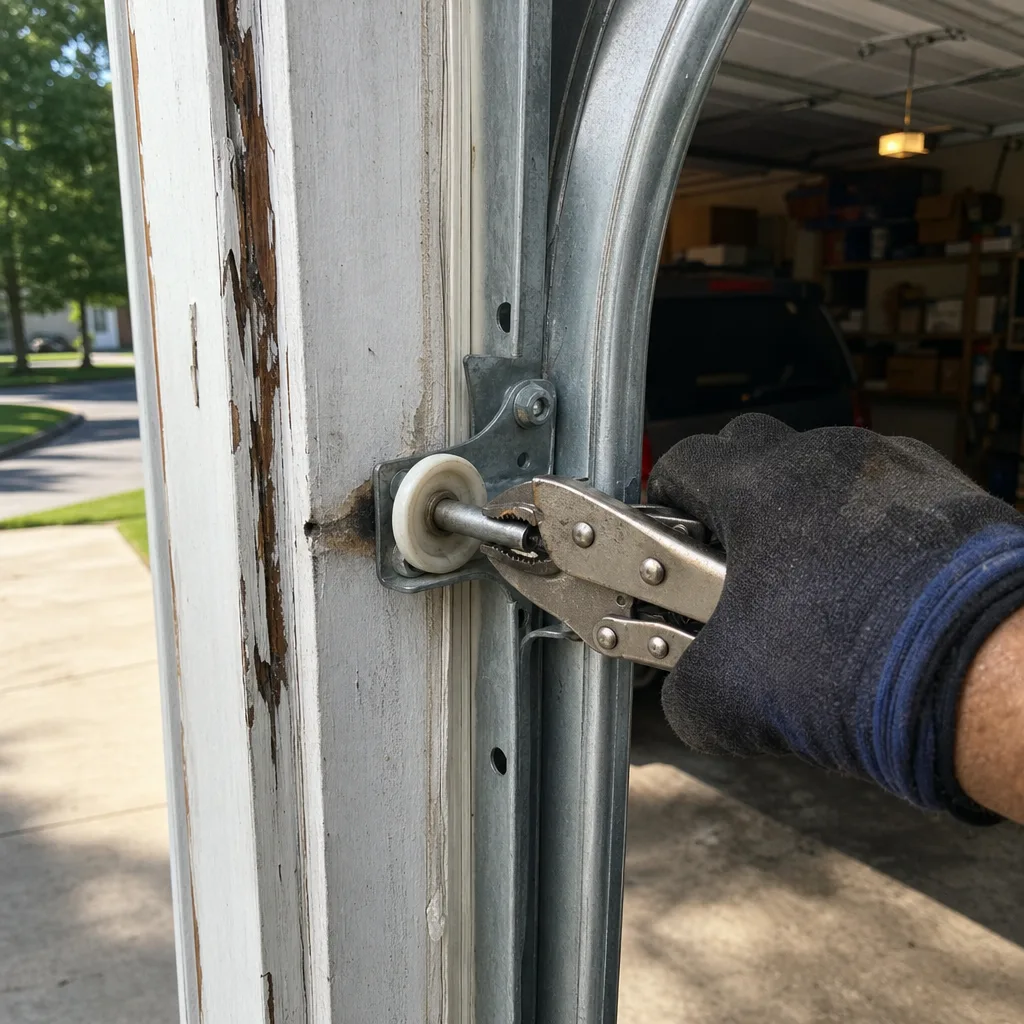
- When a Garage Door Permit Is Required in Cobb County
- The Like-for-Like Swap: What Counts as Maintenance vs. Construction
- What a Cobb County Garage Door Inspection Actually Examines
- Fire-Rated Doors Between Attached Garages and Living Space
- Homeowner Permits vs. Contractor Permits: What Each Path Costs
- How Unpermitted Garage Door Work Appears on a Title Search
- Garage Door Opener Safety Codes: UL 325 and Auto-Reverse
- Common Mistakes to Avoid
- When to Call a Professional
- Frequently Asked Questions
- The Bottom Line
BeforeAfterWhen a Garage Door Permit Is Required in Cobb County
Cobb County enforces the Georgia State Amendments to the International Residential Code (IRC), and the trigger for a garage door permit is not the door itself. It’s the opening. Section R105.1 of the IRC requires a permit for any work that alters the structure of a building, and a garage door opening is framed as a load-bearing assembly: the header, the jambs, and the spring anchor points all carry weight. When any of those elements change, the county wants a permit and an inspection.
Here is what actually triggers a permit in Cobb County for garage door work:
- Enlarging the rough opening. If you’re converting a single-car garage door opening to a double, or widening an opening for a larger door, the header must be resized and re-engineered. This is structural work and requires a permit, full stop.
- Modifying or replacing the header. A cracked or undersized header isn’t fixed by sliding in a new board. The load path above the garage door carries the weight of the roof and any rooms above. Any header change requires a permit and an inspection.
- Adding a door where there wasn’t one. Cutting a new opening in a garage wall is new construction under the code. You’ll need a permit, a plan review, and at least one framing inspection before the door goes in.
- Changing the fire rating of the opening. If the door between an attached garage and living space is being replaced with a door that does not meet the required fire separation rating, that’s a code violation that a permit process is designed to catch before it becomes a permanent problem.
- Installing a door with a different wind load rating. Marietta sits in a region where wind load requirements apply under the IRC. If the replacement door has a lower design pressure rating than what the opening was originally framed for, the county may require documentation showing the new door meets local wind load standards.
In our experience across Marietta, from East Cobb neighborhoods to the historic districts near the Square, the most common permitting surprise comes from people who assume “I’m just replacing what’s there” means no permit. In most cases, that’s true. But the moment the opening changes, or the header gets touched, or the fire rating drops, you’ve crossed from maintenance into construction. And construction is where Cobb County wants paperwork.
If you’re planning a garage door installation in Marietta, the first question we ask in the estimate is whether the opening is staying exactly as it is. That single answer determines whether you’re looking at a one-day job or a two-week permit process.
The Like-for-Like Swap: What Counts as Maintenance vs. Construction
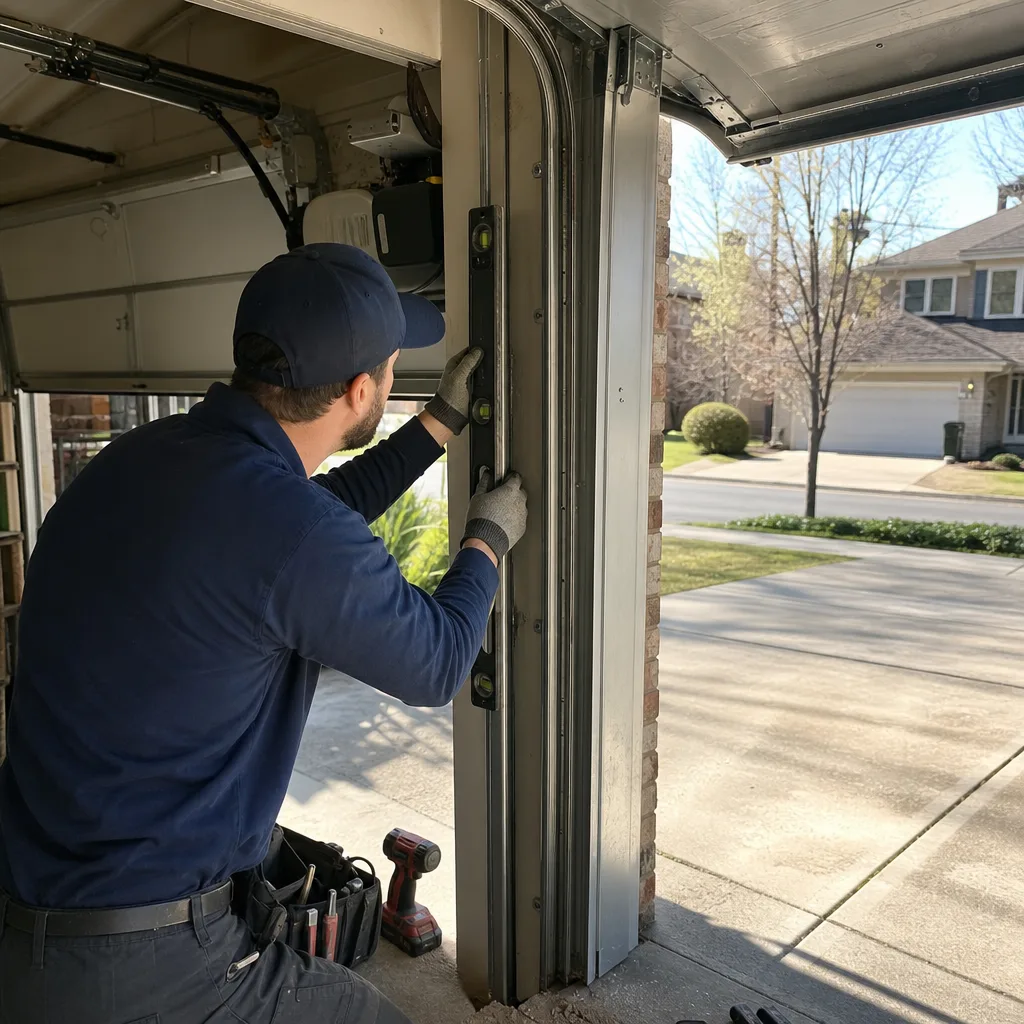
The word “replacement” does a lot of heavy lifting in garage door conversations, and it’s worth breaking down what Cobb County actually means when it distinguishes routine maintenance from construction. The county’s residential code enforcement follows the IRC’s functional definition: maintenance is work that keeps an existing system operational without changing its size, rating, or structural configuration.
A like-for-like swap means:
- The rough opening dimensions are unchanged
- The header and jambs are not modified
- The new door meets or exceeds the original fire rating
- The spring system is mounted to existing, undamaged anchor points
- The wind load rating of the new door is equal to or greater than the original
- No electrical work is performed beyond plugging in or hardwiring the opener to the existing circuit
If all six conditions are true, Cobb County treats the work as maintenance, and no permit is required. The door comes off, the new door goes on, the opener gets set, and the job is done. This covers the vast majority of garage door replacements in Marietta, and it’s the reason most homeowners never interact with the permitting system for a simple swap.
But there’s a nuance worth understanding. The “like-for-like” determination is based on what was originally permitted, not what is currently installed. If a previous homeowner installed a door without a permit (more common than you’d think), and that unpermitted door changed the opening in some way, the county’s enforcement position may require you to bring the opening back into compliance before the new door can be legally installed. This is where a plain garage door repair in Marietta can turn into a code remediation project.
In our experience, the homeowners who get flagged are rarely the ones who cut corners themselves. They’re the ones who bought a house with an unpermitted modification and didn’t discover it until the door failed and the replacement quote raised questions about the opening.
What a Cobb County Garage Door Inspection Actually Examines
When a permit is pulled for structural garage door work in Cobb County, the residential inspector is not looking at whether the door looks nice or opens smoothly. The inspection checklist is narrow, specific, and tied to the IRC’s structural and fire safety provisions. Here’s what a typical garage door inspection in Marietta covers:
- Spring anchor bolt torque. The inspector verifies that the torsion spring anchor bracket is mounted with the correct fastener size and that the anchor bolts are torqued to the manufacturer’s specification. A spring under tension that breaks loose from the header is a missile, and the county treats it that way.
- Header load path. The inspector checks that the header above the garage door opening is the correct size for the span and that the load transfers down through the king studs and jack studs without gaps, shims, or questionable modifications. In attached garages with rooms above, this is the load path that keeps the house standing.
- Opener auto-reverse compliance with UL 325. The inspector places a 2×4 flat on the floor under the closing door, or uses a tension gauge, to verify that the opener’s auto-reverse mechanism stops and reverses the door within the specified force limit. UL 325 is the federal safety standard for garage door openers, and the IRC requires all openers installed in residential settings to comply with it.
- Fire separation rating. If the door sits between an attached garage and living space, the inspector verifies the door assembly meets the required fire rating. More on this below.
- Wind load documentation. For doors in wind-borne debris regions or with design pressure ratings, the inspector may request the manufacturer’s test documentation showing the door meets the local wind load requirements.
These inspections are not optional when a permit has been pulled. The inspector will fail the job if any of these items are out of spec, and the homeowner is responsible for corrections before the permit can be closed. We’ve seen Marietta homeowners caught off guard by a failed inspection over a missing anchor bolt torque spec, which is a two-minute fix when you know it’s coming and a week of delay when you don’t.
Fire-Rated Doors Between Attached Garages and Living Space
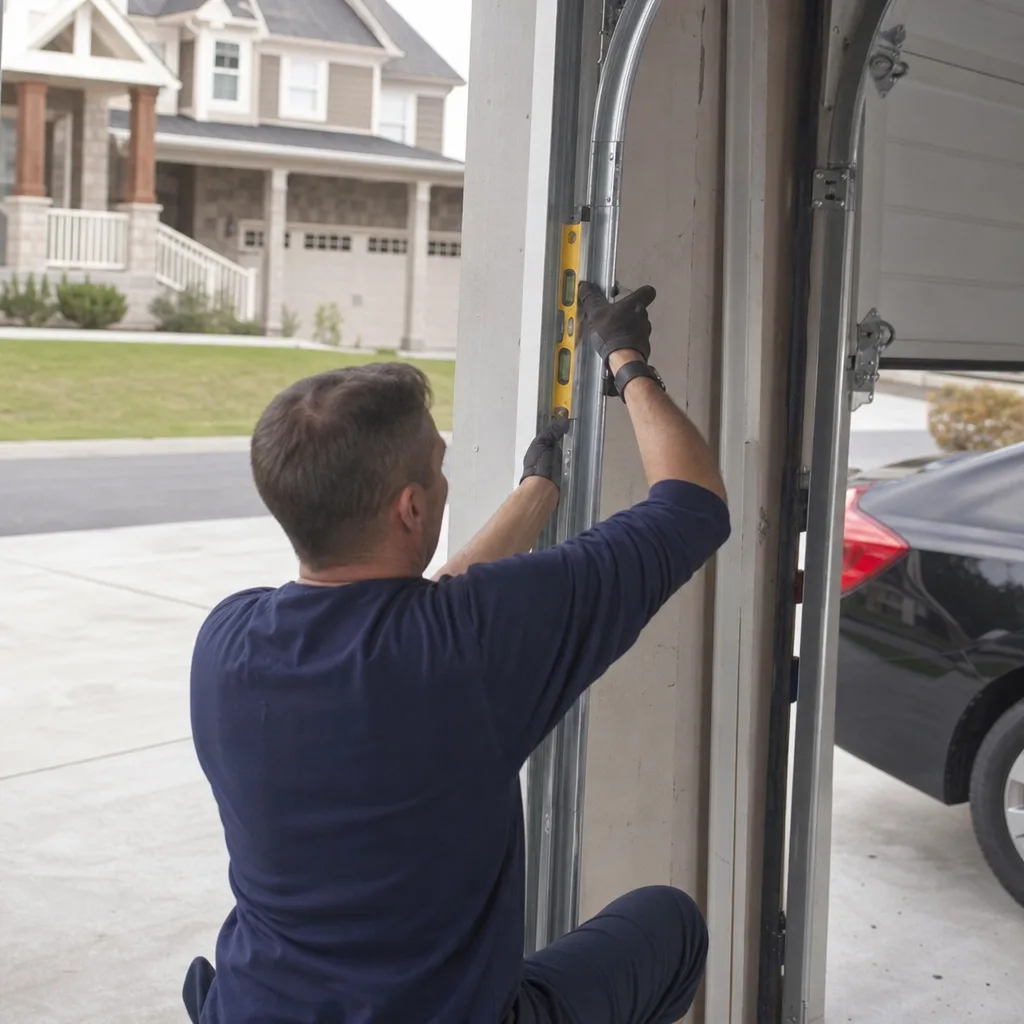
This is the section of the code most Marietta homeowners have never heard of, and it matters more than the permit question in many cases. Under IRC Section R302.5.1, the wall separating an attached garage from living space must be protected by a fire separation assembly, and the opening between the garage and the house must be protected by a door that meets a specific rating.
The requirement in plain terms: the door between an attached garage and the living quarters of your Marietta home must be either a solid wood door at least 1⅜ inches thick, a solid or honeycomb-core steel door at least 1⅜ inches thick, or a 20-minute fire-rated door. The garage side of the door must be self-closing and self-latching.
Here’s what that means for garage door work specifically:
- A standard hollow-core interior door is not compliant. If a previous homeowner swapped the fire-rated door for a cheap hollow-core slab, that’s a code violation that a home inspector can flag at sale.
- The self-closing hinge requirement is frequently missing. The code requires spring hinges or a door closer so the door snaps shut and latches by itself. A propped-open fire door provides no fire separation at all.
- New construction in Cobb County is inspected for this. If you’re building a new attached garage or converting a carport, the inspector will verify the fire door before final approval.
- The requirement applies regardless of whether the garage door itself is new. This is a wall assembly requirement, not a garage door requirement. But any work that touches the wall between garage and house brings it into scope.
We work with garage door opener repair and installation in Marietta daily, and the fire door conversation comes up often when we’re in attached garages. Homeowners are usually surprised to learn that the door between the garage and the kitchen is more heavily regulated than the garage door itself. But the logic is sound: the garage is full of fuel, and the fire rating buys you twenty minutes.
Homeowner Permits vs. Contractor Permits: What Each Path Costs
In Cobb County, a homeowner can pull a permit for work on their own primary residence without holding a contractor’s license. That’s a state-level allowance under Georgia law, and the county honors it. But pulling a homeowner permit for structural garage door work is not a casual undertaking, and it’s worth understanding what each path costs in dollars and time.
The Homeowner Permit Path
- Application. You file with Cobb County Development & Inspections. For simple structural work, this is a residential building permit application with a scope of work description.
- Cost. Permits for residential structural work in Cobb County typically run between $75 and $250 depending on the scope and valuation. The county uses a valuation-based fee schedule, so a larger opening or a more expensive door pushes the fee up.
- Time. Plan review for simple residential work is usually 3 to 7 business days in Cobb County. Complex openings or wind load questions can extend that.
- Responsibility. You are the contractor of record. That means you schedule the inspection, you’re on site for it, and you’re responsible for any corrections. The inspector issues the approval or the correction list to you directly.
The Licensed Contractor Permit Path
- Application. A licensed contractor pulls the permit under their state license and county registration. The application includes their license number and insurance documentation.
- Cost. The permit fee is the same, but the contractor takes on the scheduling, the inspection coordination, and the liability for code compliance. Their labor quote usually includes permit coordination as a line item.
- Time. Contractors with local permitting experience can often move faster because they know exactly what the reviewer will ask for and can pre-submit documentation.
- Responsibility. The contractor is the party of record. If the inspection fails, they fix the issue and schedule the re-inspection. The homeowner is not the intermediary.
In Marietta, the practical difference comes down to who eats the cost of a failed inspection or a documentation gap. Homeowners who pull their own permit and miss a detail like the wind load rating on a larger door can find themselves paying for re-inspection and a week of delay. Contractors who do this work in Cobb County know which inspectors check what. That local knowledge has real monetary value.
We pull permits as part of Servo Garage Doors Marietta home installations when the scope requires it, and our written scope always notes whether a permit is expected and who’s responsible for pulling it. Clause 1 of The Haven Standard says the price is written before any work starts. That includes the permit cost. No surprise line items.
How Unpermitted Garage Door Work Appears on a Title Search
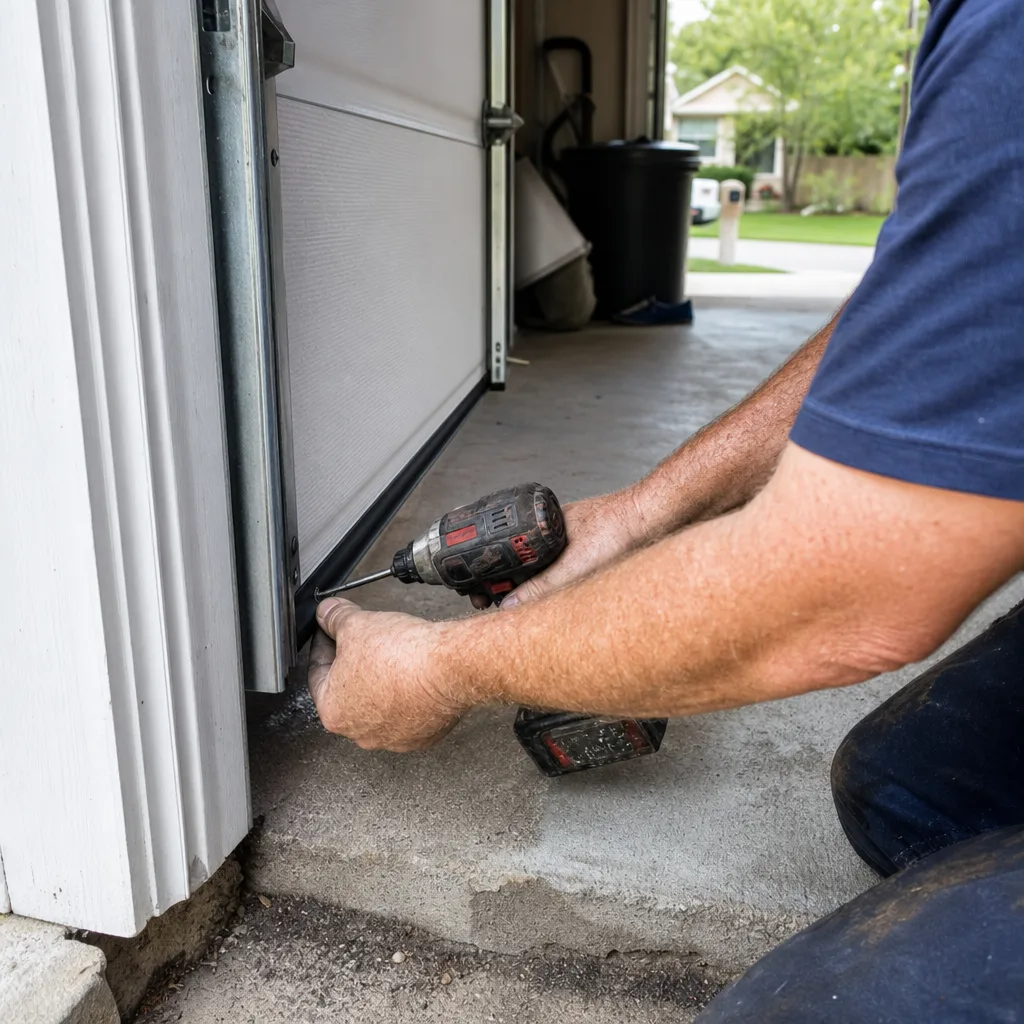
Most Marietta homeowners think about permits as a matter of avoiding fines. The real exposure is at the closing table. Unpermitted structural work shows up on title searches and municipal lien checks through a few different channels, and garage door work is not exempt from any of them.
Here’s how unpermitted work becomes a title problem:
- Municipal record checks. Title companies in Cobb County run a municipal lien search as part of the standard closing process. If the county has a record of work done without a permit, or if an inspector flagged an issue during a prior property visit, that record can surface.
- Seller disclosure obligations. Georgia’s seller disclosure form asks specifically about unpermitted work and open code violations. A seller who knowingly fails to disclose unpermitted structural work is exposed to misrepresentation claims after closing.
- Buyer inspections. A thorough home inspector in Marietta will flag a garage door opening that doesn’t match the county records, or a fire door that doesn’t meet the rating requirement. That flag goes to the buyer’s attorney, who will either demand a credit or a cure before closing.
- Insurance claims. This is the one most homeowners don’t see coming. If a garage door failure causes damage and the insurance adjuster discovers the door was installed without a required permit, the claim can be denied on the basis of unpermitted work that materially altered the property.
In our experience, the insurance denial scenario is rare but catastrophic when it happens. A failed torsion spring that takes out a car or injures someone becomes a liability question the moment the insurer starts looking at installation records. A permitted, inspected installation has a paper trail. An unpermitted one doesn’t.
If you’re in the middle of garage door repair in Marietta and discover that a previous homeowner made structural changes without a permit, your best move is to get a licensed contractor to assess whether the current opening is compliant. If it is, you may be able to get the work retroactively inspected and documented. If it isn’t, you want to know before your buyer’s inspector finds it for you.
Garage Door Opener Safety Codes: UL 325 and Auto-Reverse
Permits cover the opening. Safety codes cover the machinery. Since 1993, every residential garage door opener sold in the United States must comply with UL 325, which sets the standard for the auto-reverse mechanism, the force settings, and the photoelectric eye sensors. In Georgia, the IRC incorporates UL 325 by reference, meaning a garage door opener that doesn’t meet UL 325 isn’t just a bad product, it’s a code violation.
What UL 325 actually requires:
- Auto-reverse on obstruction. If the closing door contacts a 2×4 laid flat on the floor, or any equivalent obstruction, the opener must stop and reverse the door within two seconds.
- Photo eye sensors. Two sensors must be mounted no higher than six inches above the garage floor, on opposite sides of the door opening. If the beam is broken while the door is closing, the door must reverse.
- Force limit. The opener must not exert more than 15 pounds of force when closing against an obstruction before reversing.
- Manual release. The opener must include a readily accessible emergency release handle that disengages the door from the opener so it can be opened manually if the power fails.
These requirements matter for two reasons in Marietta. First, an inspector checking a structural garage door permit will test the auto-reverse if a new opener is installed as part of the job. Second, a UL 325 compliant opener is a safety device, and we always recommend testing yours monthly. Put a roll of paper towels flat on the floor under the door. If the door doesn’t reverse when it hits the roll, the opener needs adjustment or replacement.
Springs and cables on a garage door are under extreme tension. A torsion spring that breaks can release enough force to seriously injure or kill. We never recommend that homeowners attempt spring replacement themselves. The risk isn’t worth the savings. A trained professional with the right tools and torque specifications can do it safely in under an hour.
If you need reliable garage door opener repair in Marietta, we carry UL 325 compliant openers from LiftMaster, Chamberlain, Genie, and Craftsman on the truck, and we verify auto-reverse function as part of every opener installation or repair. The test takes 30 seconds. The consequence of skipping it is measured in fingers and children.
Common Mistakes to Avoid
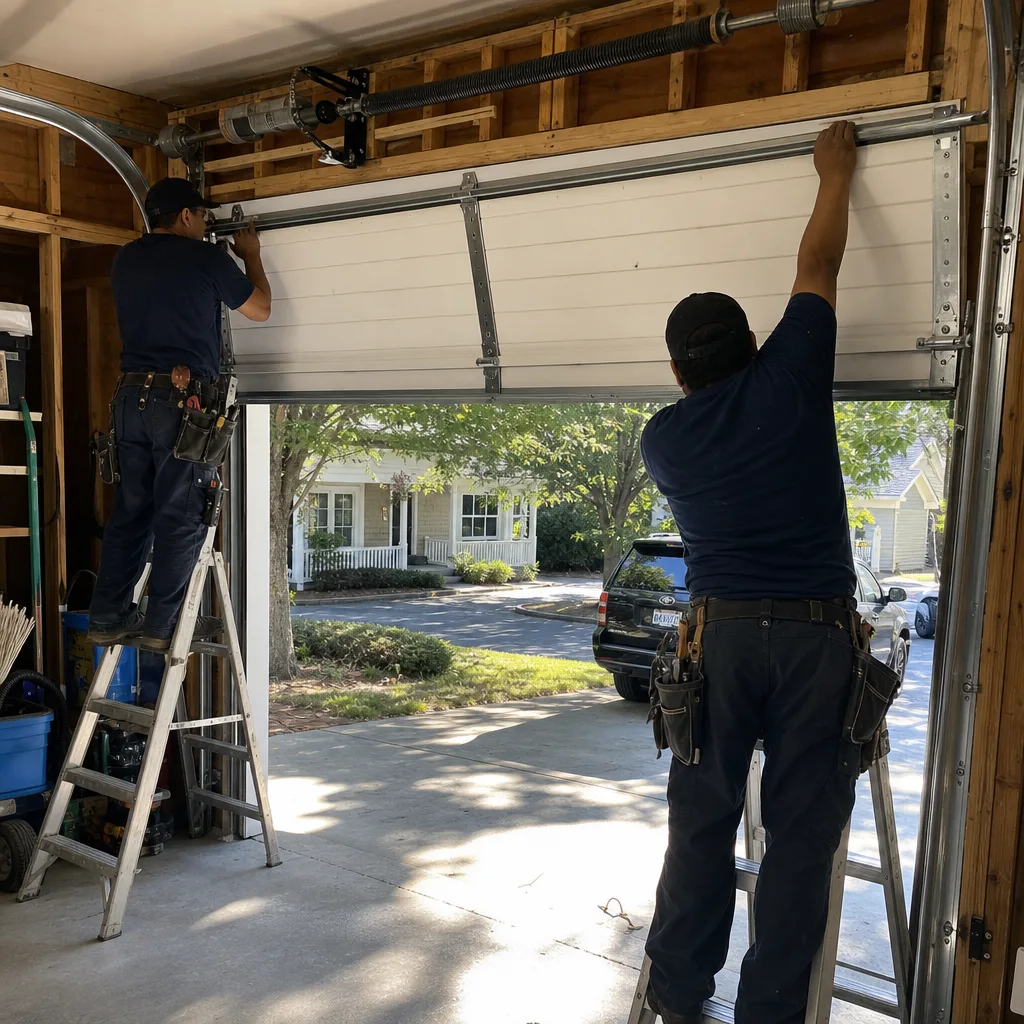
- Assuming every replacement is “like for like.” The door itself might be the same size, but if the opening was previously modified without a permit, or the fire rating changed, you may be looking at a permit even though you’re just swapping hardware. Verify the opening, not just the door.
- Replacing the garage-to-house door with a standard interior door. Homeowners do this for aesthetics and create a fire code violation in the process. The door between an attached garage and living space in Marietta must meet the IRC fire separation standard.
- Skipping the wind load check on larger doors. A 16-foot wide door carries a bigger wind load than a single-car door, and the county may require documentation. Don’t assume the old door was compliant just because it lasted.
- Propping the fire door open with a wedge or a brick. A fire-rated door that doesn’t self-close provides no fire separation. If you need to keep the garage door to the house open for ventilation, use a door with a hold-open that releases on smoke detection.
- Filing an insurance claim without checking the permit status of prior work. If a previous owner installed a garage door without a permit and it fails, your claim may be denied. Check what’s permitted before you need the coverage.
- Pulling a homeowner permit for structural work without understanding the inspection checklist. The inspector will check spring anchor torque, header load path, and UL 325 auto-reverse. If you don’t know what those mean, you’ll fail the inspection and pay for a re-check.
- Ignoring the self-closing hinge requirement on the garage-to-house door. The fire door must latch by itself. A door that swings open and stays open is a code violation waiting to be flagged.
When to Call a Professional
Garage door work falls into two categories: the stuff you can safely do yourself, and the stuff that carries real risk of injury or code liability. If your project involves enlarging an opening, modifying a header, changing the fire rating of the door between garage and living space, or installing a new opener with auto-reverse calibration, call a professional. The permit process in Cobb County is manageable, but only if you know what the inspector will check and what documentation the county will want. A licensed contractor who works in Marietta regularly has already solved these problems dozens of times. The cost of using one is a line item on the estimate. The cost of getting it wrong is a delay, a failed inspection, or a correction order against your property. Servo Garage Doors Marietta offers free estimates in Marietta, and every estimate includes a flat written price and a written scope before any work starts. Call (470) 486-7771 for a free estimate.
Frequently Asked Questions
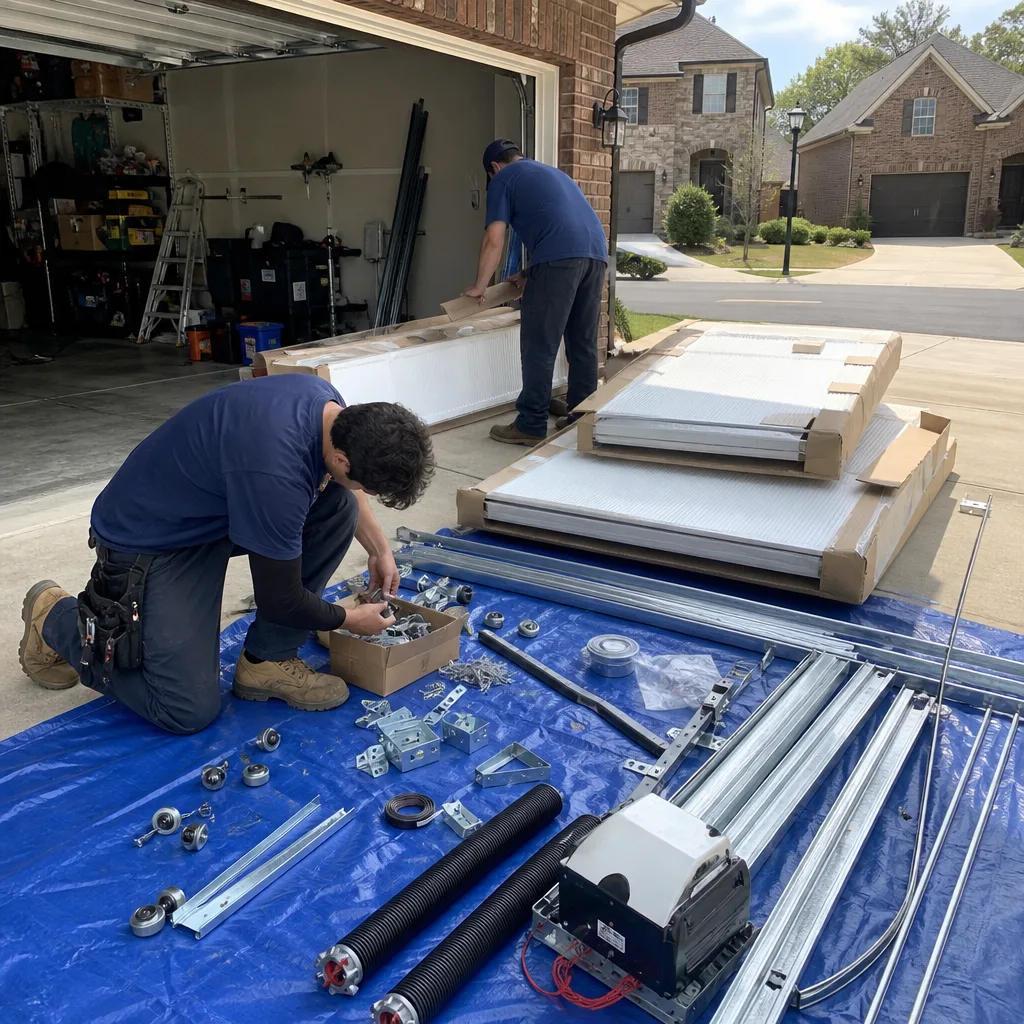
Only if the opening is being enlarged, the header is being modified, or the fire rating of the assembly is changing. A like-for-like swap in the existing opening with no structural changes is considered maintenance and requires no permit in Cobb County.
Residential building permits for structural garage door work in Cobb County typically cost between $75 and $250 depending on the scope and valuation. The fee is based on the county’s valuation schedule, so a larger door or a larger opening pushes the fee higher. Call (470) 486-7771 and we’ll tell you whether your project needs a permit and exactly what it will cost.
The inspector checks spring anchor bolt torque, header load path, opener auto-reverse compliance with UL 325, fire separation rating where applicable, and wind load documentation for larger doors. The checklist is specific and any failed item requires correction and re-inspection.
If the work required a permit and you skipped it, the unpermitted work can surface on a title search or a municipal lien check when you sell, can trigger a seller disclosure obligation, and can be grounds for an insurance claim denial if the door later fails and causes damage.
You can, provided the opener is UL 325 compliant and the auto-reverse mechanism is properly calibrated. But the calibration is the part most homeowners skip. Test it with a roll of paper towels on the floor under the closing door. If it doesn’t reverse, the opener needs adjustment.
The door between an attached garage and the living space must be a solid wood door at least 1⅜ inches thick, a solid or honeycomb-core steel door at least 1⅜ inches thick, or a 20-minute fire-rated door. It must be self-closing and self-latching. A standard hollow-core interior door does not comply.
The Bottom Line
Garage door permits in Cobb County come down to one question: is the opening changing, or is the door just being swapped? If the opening is untouched and the new door matches or exceeds the original’s fire rating and wind load, you’re doing maintenance, and no permit is needed. If the header gets touched, the opening gets enlarged, or the fire rating drops, you’re doing construction, and the county wants to see it. Most Marietta homeowners fall into the first category. The ones who get into trouble are the ones who assumed the second category was the first. When a garage door job involves a structural question, a permit, or an inspection, get the written scope before anyone touches a bolt. Call Servo Garage Doors Marietta at (470) 486-7771. We’ll tell you whether your project needs a permit, what it will cost, and what the inspector will check. Every price in writing. Every job documented.
Written by Marcus Deller, Owner at Servo Garage Doors Marietta, serving Marietta since 2015.